
Design
Aki Inomata Gives Hermit Crabs Architectural Shells
Transparent 3D-printed shelters carry miniature architecture in an art project connecting animal homes and human ideas of place.

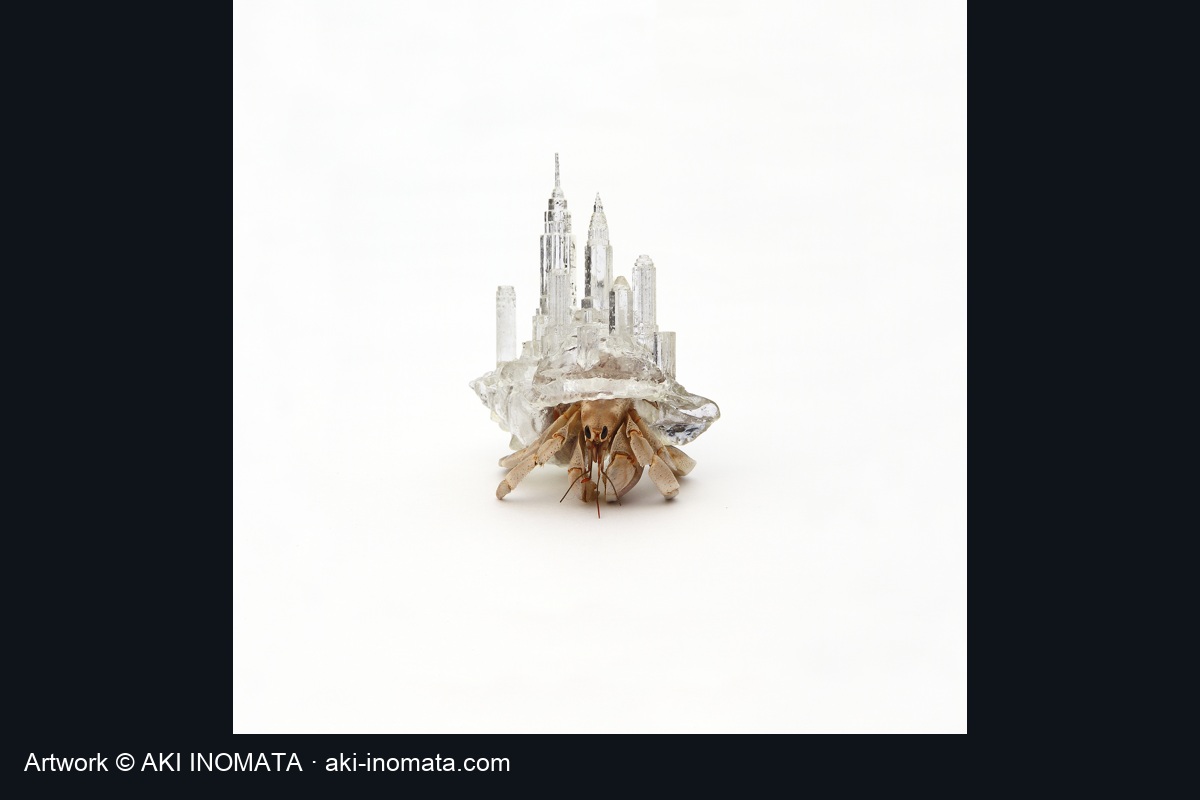
A hermit crab carries a shelter topped with a miniature building. In AKI INOMATA’s series Why Not Hand Over a ‘Shelter’ to Hermit Crabs?, transparent 3D-printed structures bring architecture into a small animal’s portable home.
Kunstmuseum Bonn describes the series as beginning in 2009, with printed shells bearing buildings from cities around the world. The artist used CT scans of natural shells to develop interiors that the crabs could choose to move into. The project connects living creatures and technology while opening questions about home, belonging and the places people inhabit.
The visual idea works on two scales at once. The crab remains a small creature moving through its surroundings, while the architecture above it points toward the much larger spaces humans construct. A shell becomes a meeting point between those two ways of making a home.
This is an introduction to the continuing series, with individual artwork dates kept separate from the project’s starting year. The images offer an unusual reason to reconsider something familiar: how much meaning we attach to the shape of a home, and how differently that shape can be understood by another living being.
Creator and source credits: Artwork © AKI INOMATA, Why Not Hand Over a ‘Shelter’ to Hermit Crabs? Images via the artist’s official website, including Border (2009–ongoing) and White Chapel (2014–2015). Original English narration and editorial: HurolHaber.
Sources: AKI INOMATA — official works · Kunstmuseum Bonn — Aki Inomata: Becoming-With
Also watch on HurolHaber: Instagram Reel.

Design
A Mechanical Garden Blooms Above the Palazzo Lobby
Studio DRIFT’s Shy Society Palazzo brings 27 moving flower sculptures to Las Vegas, turning a lobby ceiling into a changing garden.
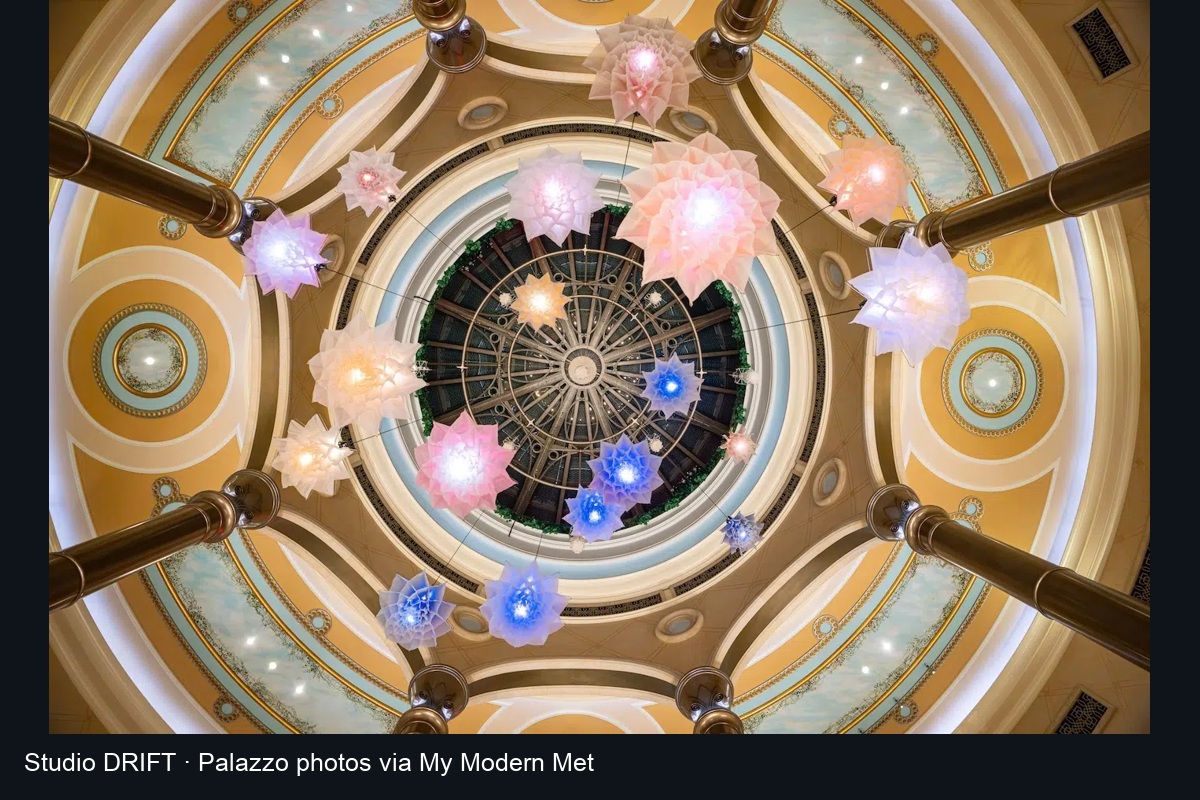
A hotel lobby usually asks you to look ahead. Studio DRIFT’s Shy Society Palazzo offers a reason to look up: a suspended garden of mechanical flowers opens and withdraws above the Palazzo lobby at The Venetian Resort in Las Vegas.
The resort announced the installation on 15 September 2026. It combines nine Shylight sculptures and eighteen Meadow sculptures, bringing two of DRIFT’s existing works together. The flowers move throughout the day, with a fully choreographed musical sequence once every hour, according to the resort.
The mechanism is part of the attraction. DRIFT describes Meadow as a kinetic sculpture made with metal, printed fabric, LEDs and robotics. Fabric becomes a changing surface, and an object hanging from a ceiling becomes something we read as opening, resting or retreating. The movement borrows a familiar cue from flowers without requiring a literal imitation of a garden.
For us, the project is a reminder that an interior can hold our attention through time as well as through form. A photograph fixes one arrangement; the work’s character also lives in the transition to the next. It is an inviting example of mechanical design making a shared space feel worth pausing in, even for someone simply passing through.
Creator and source credits: Artwork and Meadow archive video (2022): Studio DRIFT. Palazzo photographs (2026): Studio DRIFT, via My Modern Met. Venue and project information: The Venetian Resort Las Vegas.
Sources: The Venetian Resort — Shy Society Palazzo, 15 September 2026 · Studio DRIFT — Meadow
Visual context: The opening video excerpt shows an earlier Meadow installation (2022). The subsequent still photographs show Shy Society Palazzo (2026). Palazzo photographs: Studio DRIFT, via My Modern Met.
Also watch on HurolHaber: YouTube Shorts · Instagram Reel.

Eskiden savaşta kimin dost kimin düşman olduğunu anlamak gerekiyordu. Şimdi de aynı şey var, sadece savaş alanı değişti.
Logo dediğimiz şey aslında yeni bir şey değil.
Eskiden de vardı. Bayrakta vardı, armada vardı, kalkanın üstünde vardı.
Çünkü uzaktan bakınca anlaman gerekiyordu:
Bu kim?
Okumaya vaktin yoktu.
Detaya bakamazdın.
Bir bakışta karar vermen gerekiyordu.
Dost mu, düşman mı?
Bugün değişen tek şey ortam.
Savaş alanı yerine ekran var.
Ama refleks aynı.
Scroll ederken de kimse okumuyor zaten.
Görüyor ve geçiyor… ya da tanıyıp duruyor.
O yüzden mesele yazı değil.
Şekil.
İyi bir logo biraz bayrak gibi.
Uzaktan bile çalışmalı.
Kafama not:
Okutmaya çalışma. Tanınsın yeter.
Bir gün lazım olur bu.
Design
Belgian Railway Company
Logo’nun yeniden üretimi için hazırlanan teknik dökümanı çok hoşuma gitti.
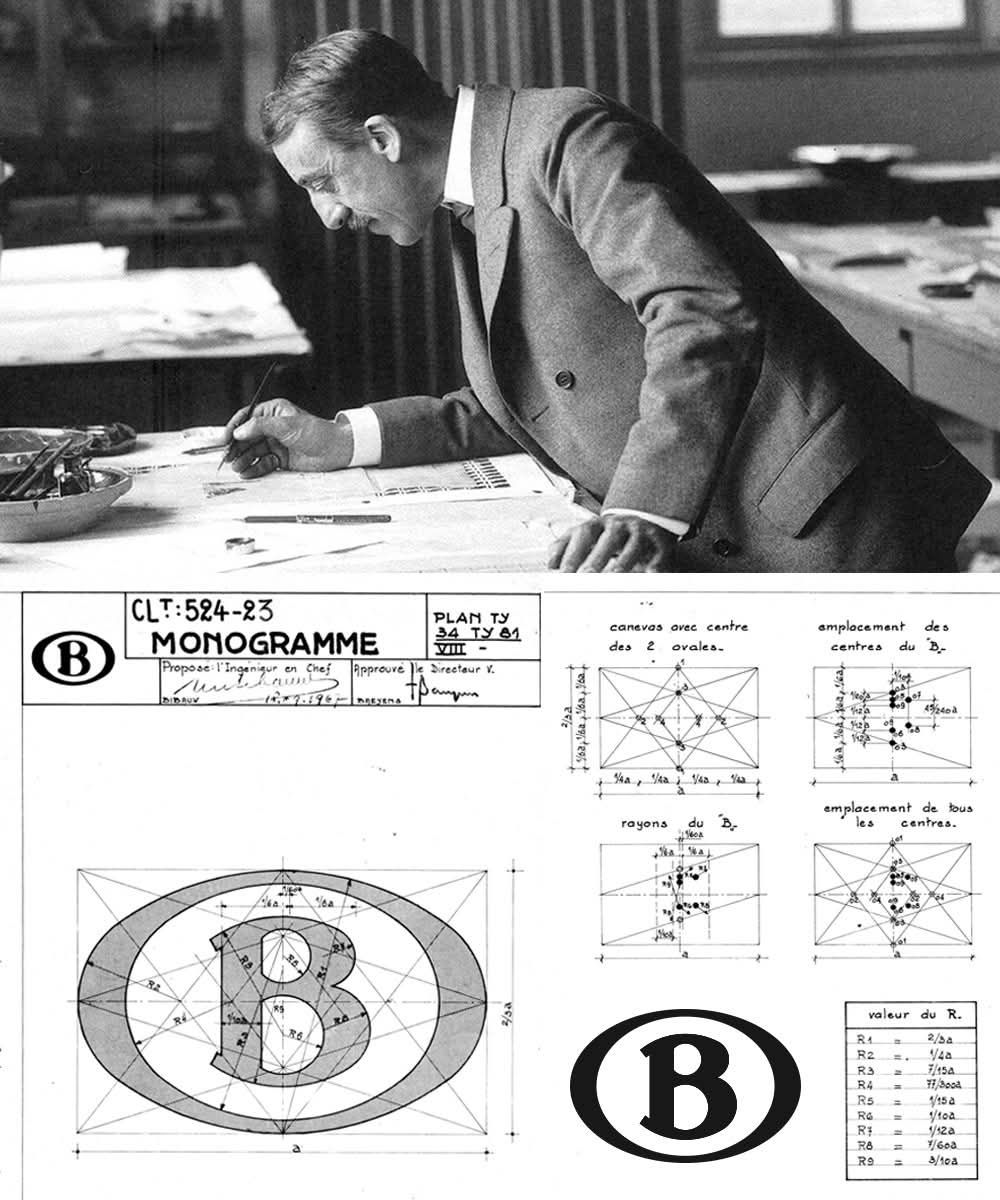
In December 1935, the Belgian railway company decided to organise an internal competition on Van de Velde’s proposal in order to design a more discreet and clearer logo to identify the railway. However, as one knows from files and records from this time today, this competition did not bring a satisfactory result.
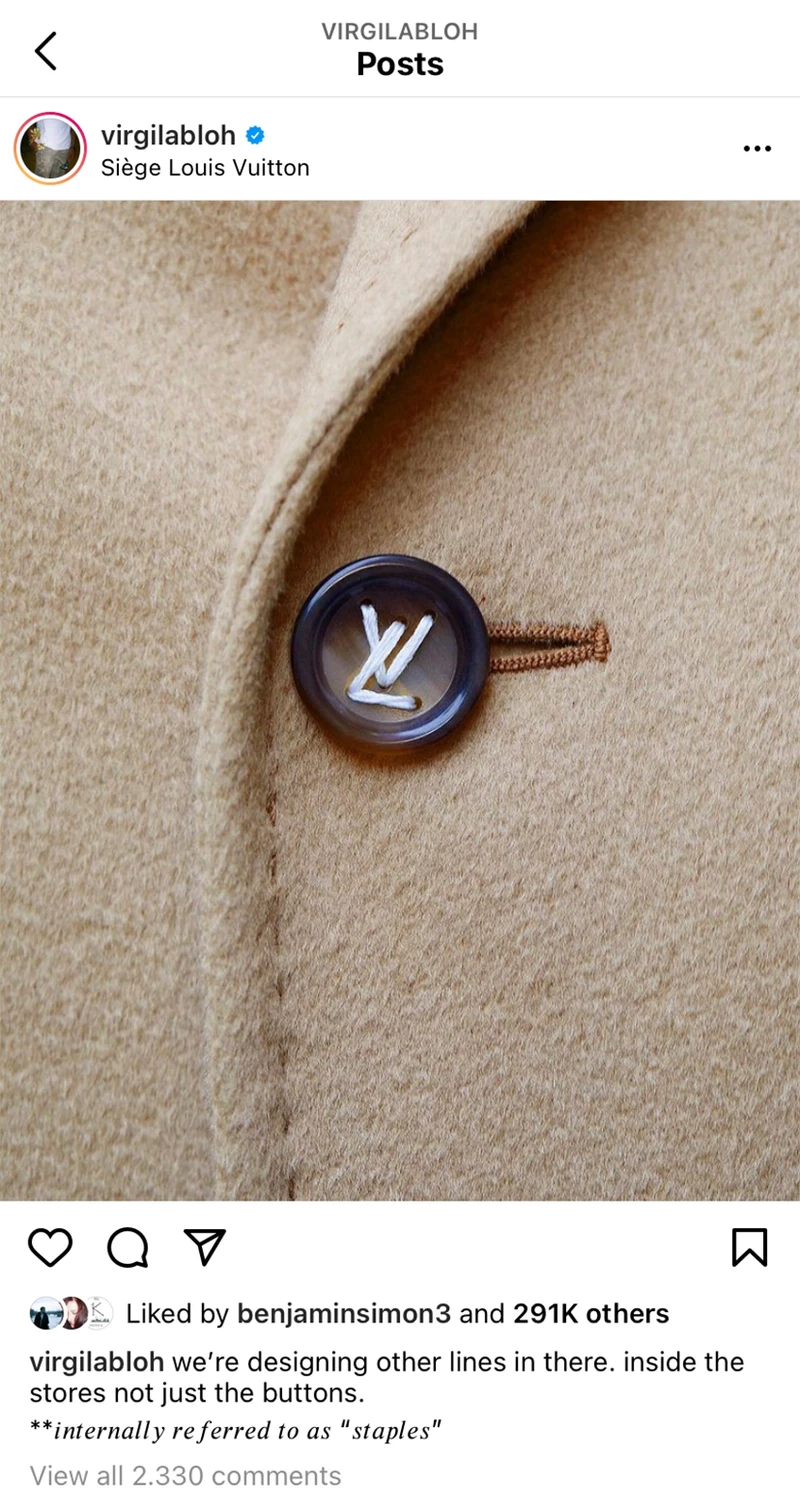
Yeni gördüm.

Daniel Rozin’s Wooden Mirror Turns Wood into Moving Pixels

BMW GINA Reimagines a Car Body as a Flexible Fabric Skin

Aki Inomata Gives Hermit Crabs Architectural Shells

Kumi Yamashita’s Chair Casts the Shadow of a Seated Person

COCOON Fits Whole Worlds Inside the Orbs You Carry




-

 Games9 years ago
Dolar 3,79TL • Euro 4.70TL • Bitcoin 42.179TL olmuş
-
 Art9 years ago
Mina Başaran ve arkadaşları uçak kazasında ölmüş
-

 Games2 years ago
States Builder: Trade Empire
-

 Design9 years ago
Romanyalı adam yaşadığını mahkemeye ispat edemiyormuş.
-

 Cars9 years ago
Mark Zuckerberg, Cambridge Analytica olayında hatalı olduklarını kabul etmiş.
-

 Entertainment5 years ago
The Mitchells vs the Machines
-

 Cars9 years ago
Challenger uzay mekiğini Nakşibendi’ler düşürmüş
-
 Art9 years ago
İstanbul’da sis bugün de devam edecekmiş