
Art
Little Ark Sends a Wave Through a Boat That Goes Nowhere
Choe U-Ram’s Little Ark lifts and lowers mechanical oars, turning a stationary vessel into a moving question about direction.

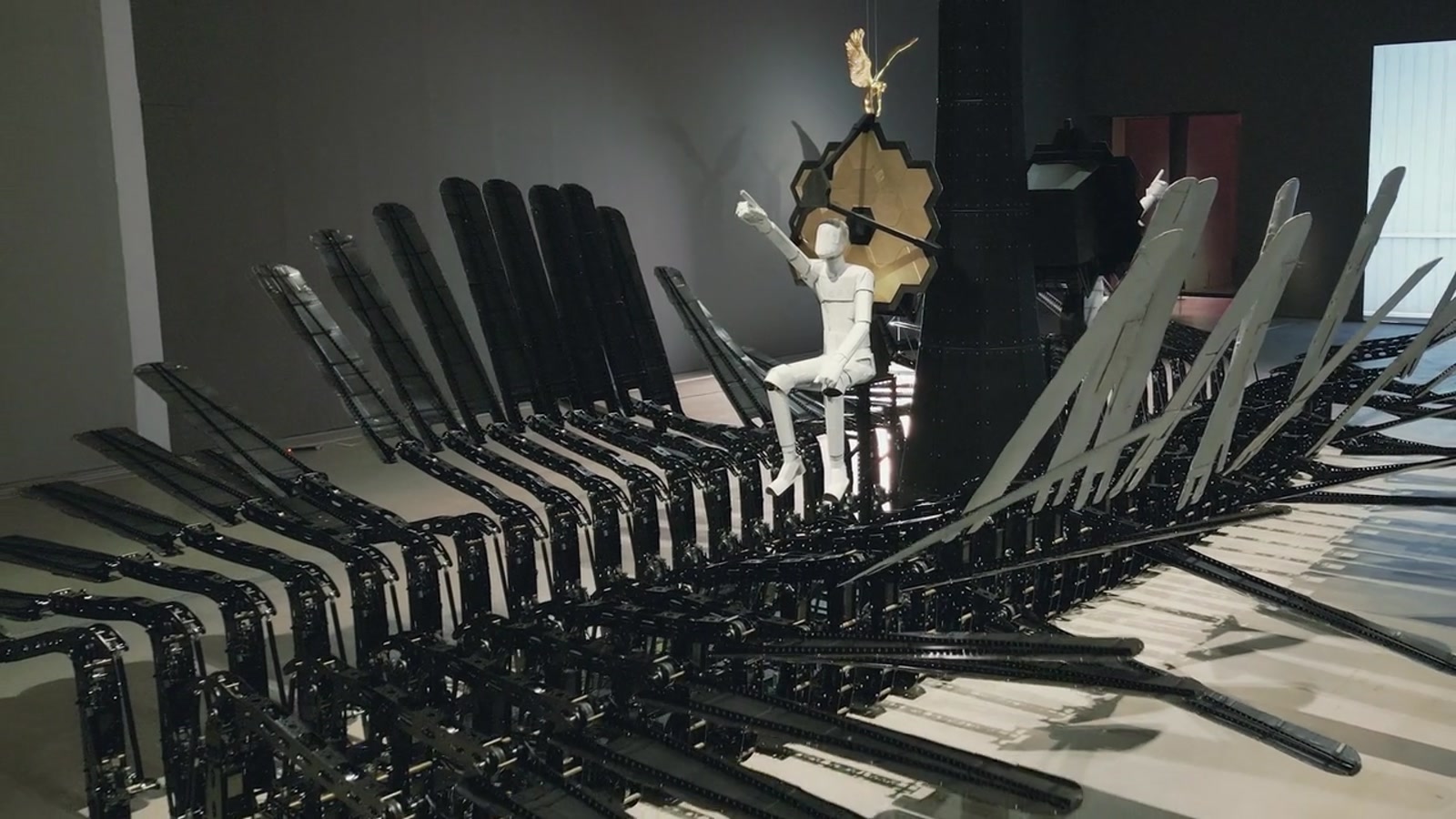
The boat never leaves the gallery. Its oars lift and fold, making the space around it feel as though a voyage has begun.
Archive discovery: Little Ark is a 2022 kinetic sculpture by Choe U-Ram. It was central to his MMCA exhibition in Seoul, which ran from 9 September 2022 to 26 February 2023. The film shown here documents that earlier project.
The oars become the image
The museum describes a vessel of iron and recycled cardboard, animated by machinery. Thirty-five pairs of oars can stand upright like a wall, then open outward like wings.
Close views reveal repeating joints; wider shots follow pale paddles along the vessel. Small movements become a larger wave. The camera makes that change of scale part of the encounter.
Movement is not the same as direction
MMCA frames the exhibition around conflicting desires and uncertainty about society’s direction. The object lets that idea arrive through movement: a machine performs gestures of travel while remaining in place.
Writing for Hyundai Artlab in December 2022, Shannon Lee connects the work with questions about progress. For us, the unresolved destination is what keeps the motion interesting.
People & sources
Artwork: © Choe U-Ram, Little Ark (2022). Exhibition: National Museum of Modern and Contemporary Art, Korea (MMCA), in partnership with Hyundai Motor Company. Original film: © Hyundai Motor Company, via Hyundai Artlab. Original English narration and editorial: HurolHaber.
- MMCA — Hyundai Motor Series 2022: Choe U-Ram – Little Ark, archived exhibition
- Hyundai Artlab — official exhibition film: MMCA Hyundai Motor Series 2022: Choe U-Ram
- Hyundai Artlab — Searching Beyond the Immediately Observable, 21 December 2022
The source page identifies the film with the 2022 exhibition but does not display an exact film publication date. Exhibition dates above are historical, not a current visiting notice.

Art
Rain Room Makes a Downpour Move Around You
RANDOM INTERNATIONAL’s Rain Room pauses falling water around detected visitors, making a step into the downpour part of the artwork.
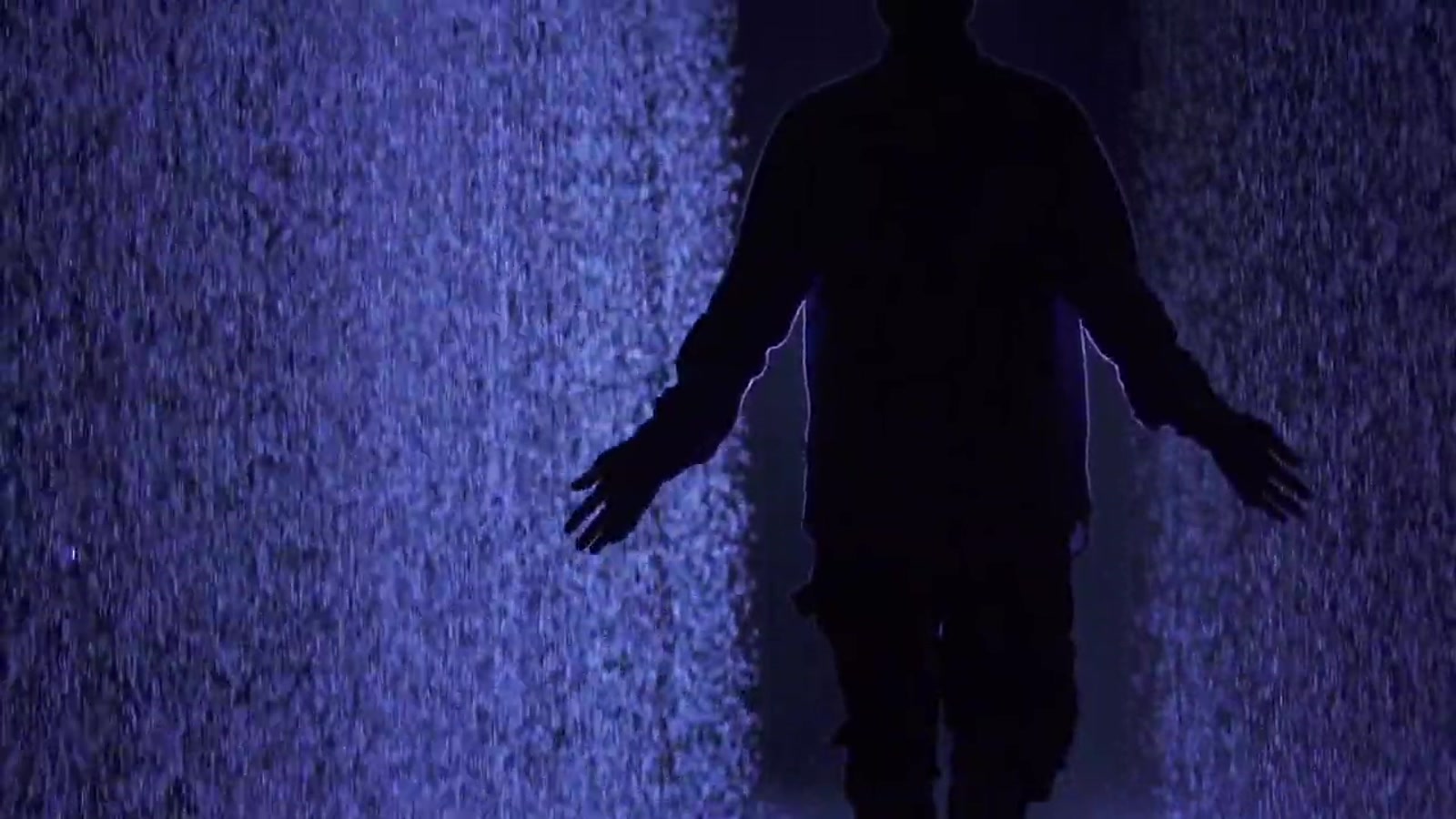
A person walks into a wall of rain. The sensible response would be to turn back. In Rain Room, stepping forward is the point: the falling water changes around the body that has entered it.
Archive discovery: RANDOM INTERNATIONAL created Rain Room in 2012. The footage here comes from the Barbican Centre’s original film, published that October; this is a look back at the work, not an announcement of a new exhibition.
A moving pocket of space
LACMA describes an environment of continuously falling water that pauses wherever a human body is detected. The result is a small area of relative shelter inside a much larger downpour. Your movement becomes part of the work’s behaviour.
In the Barbican film, a silhouette faces a brightly lit curtain of water. An arm reaches outward, a shoe crosses the wet floor, and droplets catch the light. Those details give the installation a physical scale: its image is made from water, light and a person deciding how to move.
The next step is the interface
The studio, established in 2005, explores human relationships with technology through art. Here, the encounter starts before any technical explanation. A familiar reflex—avoiding the rain—becomes a decision to trust the space.
The drama is not a storm growing stronger. It is a familiar space becoming uncertain. The visitor appears as a silhouette, while the clearest sign of their presence is the gap left in the falling water.
People & sources
Artwork: RANDOM INTERNATIONAL, Rain Room (2012). Original film: Barbican Centre / Gramafilm, published 8 October 2012; original score by Max Richter (not used in this edit). Original English narration and editorial: HurolHaber.
Art
Kinetic Rain Turns Separate Droplets into a Moving Surface
ART+COM’s Kinetic Rain uses individually suspended copper-coloured droplets to draw changing forms above Changi Airport’s departure hall.
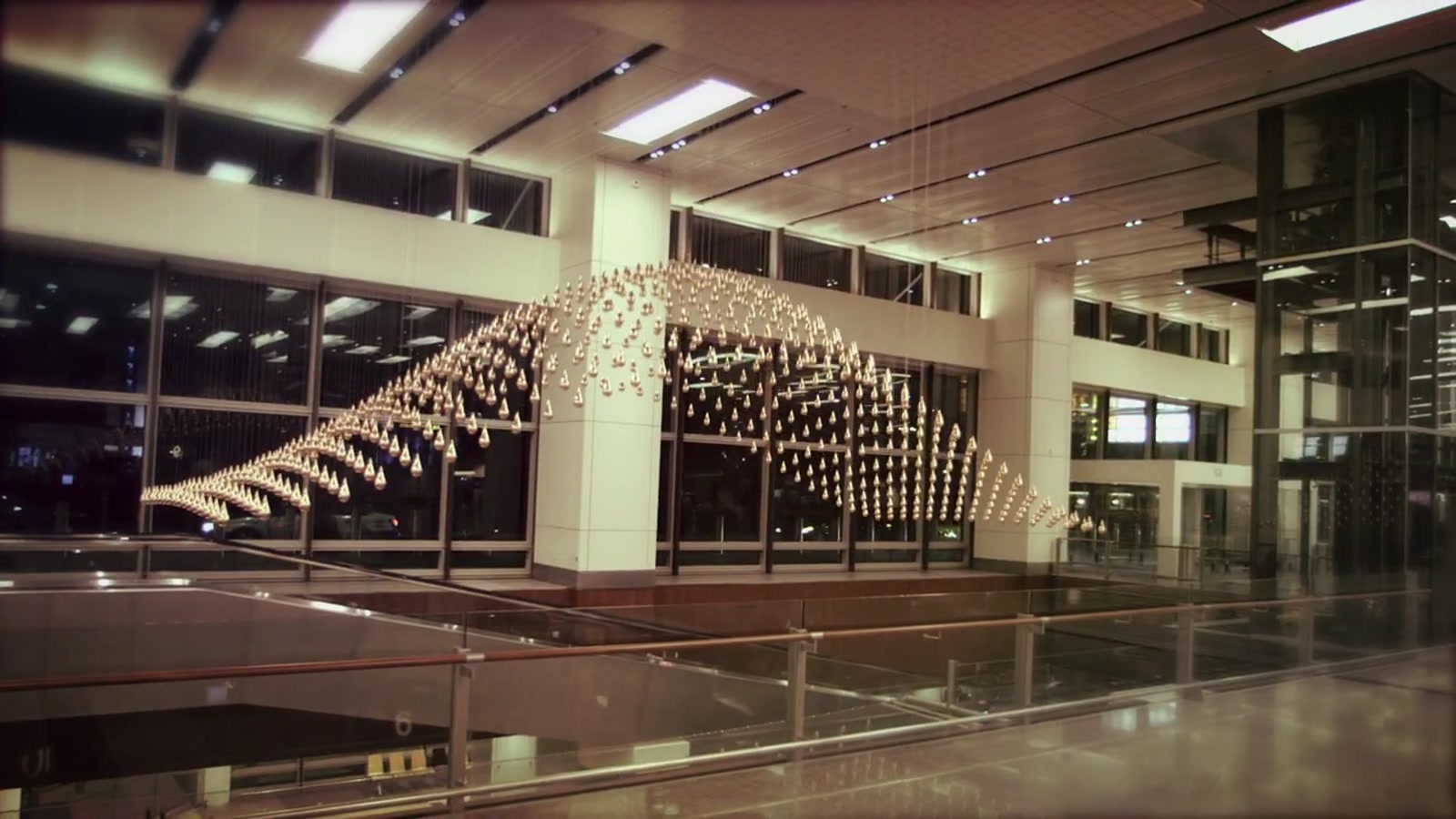
A field of copper-coloured droplets bends into a wave, then changes its outline again. The forms remain separate, yet their changing heights make them read as one continuous surface floating in the departure hall.
The installation was created by ART+COM for Singapore’s Changi Airport Terminal 1 in 2012. Two suspended fields sit above the central escalators, giving the busy hall a slowly changing piece of choreography to look up at.
Small movements, larger shapes
ART+COM describes two sets of 608 droplets, making 1,216 in total. Each copper-plated aluminium form hangs from a thin steel wire connected to an individually controlled motor. The mechanism gives every point a vertical path; the coordinated heights create the larger image.
The studio’s project record describes a fifteen-minute sequence in which the two parts can move together, mirror one another or follow different but related patterns. Abstract surfaces give way to more recognisable forms. The official airport film moves between close views of the droplets and wider views that show the sculpture’s relationship to the hall.
That change in distance is part of the pleasure. From nearby, you can follow a small metallic object moving along its cable. From farther away, the same elements begin to suggest a sheet, a wave or an outline passing through the air. Neither view cancels the other: the physical pieces remain visible while the larger figure emerges.
An archive discovery from 2012
MKT manufactured and installed the work for ART+COM. The project brings software, mechanical control and material together without hiding the droplets that do the moving. This short edit revisits the airport’s original 2012 documentation; it is a look at the artwork’s design rather than a new opening announcement.
People & sources
Artwork: ART+COM Studios, Kinetic Rain (2012). Commissioned by Changi Airport Group; manufactured and installed by MKT, Olching. Original film: Changi Airport Group. Original English narration and editorial: HurolHaber.
Art
Zimoun Turns a Wall of Cardboard Boxes into a Restless Instrument
Zimoun’s 2011 installation uses small motors, cotton balls and cardboard boxes to turn repeated mechanical movement into a shifting sound field.
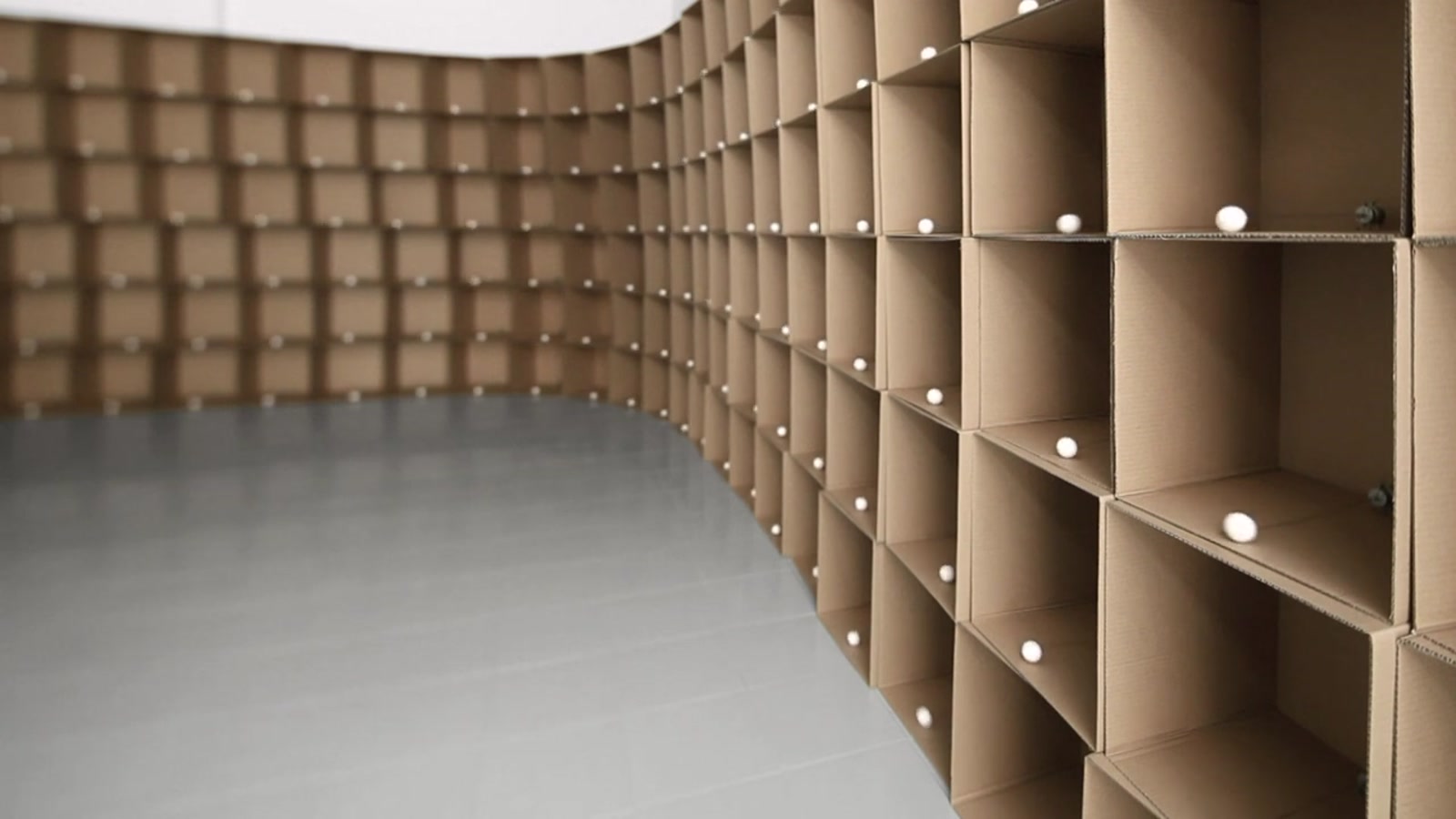
A white cotton ball moves against brown cardboard. Repeat that small event across a wall and the familiar packing material becomes the structure of an instrument. Zimoun’s 2011 installation at Lydgalleriet in Bergen turns a simple mechanical action into a dense, changing field.
The work’s descriptive title lists its ingredients: 138 prepared dc-motors, cotton balls, cardboard boxes 40x40x40cm. The artist’s documentation adds filler wires and a power supply to that inventory. Its materials are easy to recognise, which makes it possible to follow an individual moving element before taking in the larger arrangement.
A pattern built from differences
Lydgalleriet places the installation within a series informed by Karl Popper’s distinction between the regularity of clocks and the irregularity of clouds. The gallery describes Zimoun’s use of small mechanical movements and slight differences between individual units to build complex soundscapes.
That relationship is the reason to linger. An ordered grid gives the work a clear framework, while the activity within it keeps pulling attention from one point to another. The repeat is legible; the combined result keeps changing.
Cardboard also makes the action readable. It functions as both the visual field around each moving ball and a material that participates in the sound. The work invites the eye to trace the same event that produces the installation’s acoustic texture.
An installation from 2011
This is a discovery from Zimoun’s archive. The footage documents the 2011 Lydgalleriet installation, curated by Jørgen Larsson, rather than a newly announced exhibition. The artist credits Jacob Alrø, Tolga Balci, Vanessa Gageos and Florian Bürki for assistance.
The appeal lies in how much emerges from so little: a motor, a wire, a soft ball and an everyday box, repeated until the room starts to feel active.
People & sources
Artwork and original documentation: Zimoun. Installation view: Lydgalleriet, Bergen, Norway, 2011; curated by Jørgen Larsson. Assisted by Jacob Alrø, Tolga Balci, Vanessa Gageos and Florian Bürki. Original English narration and editorial: HurolHaber.
Art
Theo Jansen’s Animaris Rex Walks Like a Mechanical Herd
A chain of linked beach creatures turns many separate moving legs into one extraordinary walking rhythm.
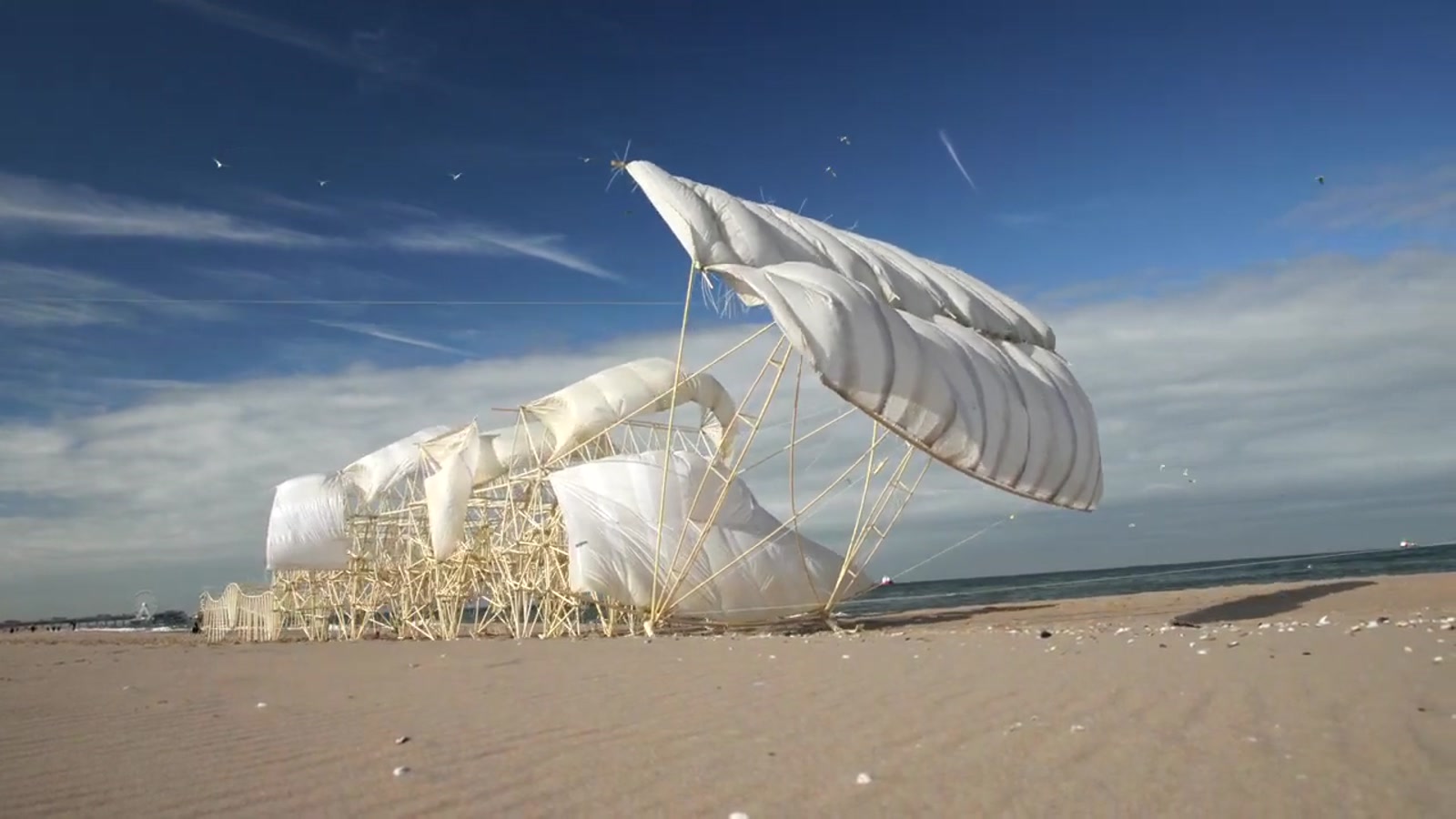
A single moving leg is a mechanism. A whole formation of them begins to look like a creature with somewhere to go. In Theo Jansen’s Animaris Rex, the eye moves between those two readings without quite settling on either.
A larger rhythm made from many parts
The artist’s 2023 film introduces Animaris Rex as a linked herd of beach animals. Repeated walking units move together, creating a formation that is easiest to understand in a wide view. A close look then reveals the small, repeated actions beneath it.
Jansen’s wider Strandbeest practice explores wind-driven movement and mechanical walking. The animal-like impression comes from the geometry and timing of the legs. The creatures remain sculptures, even when their gestures make them feel remarkably purposeful.
A moving experiment from the archive
The artist’s 2023 film lets us study the formation on the beach. The setting gives its motion a sense of scale, while closer views reveal the geometry beneath each step. This is a chance to watch a sculptural experiment unfold and to follow the repeated links that make it possible.
People & sources
Animaris Rex / Strandbeest sculpture and original artist film: Theo Jansen. Camera: Steven Rodrigues. Strandbeest tamers credited in the source film: Laura Olalde and Ivo Waardenburg. Original English narration and editorial: HurolHaber.
Art
Anthony Howe Lets the Wind Draw the Sculpture
In Cloud Light builds a changing rhythm from curved stainless steel and moving air.
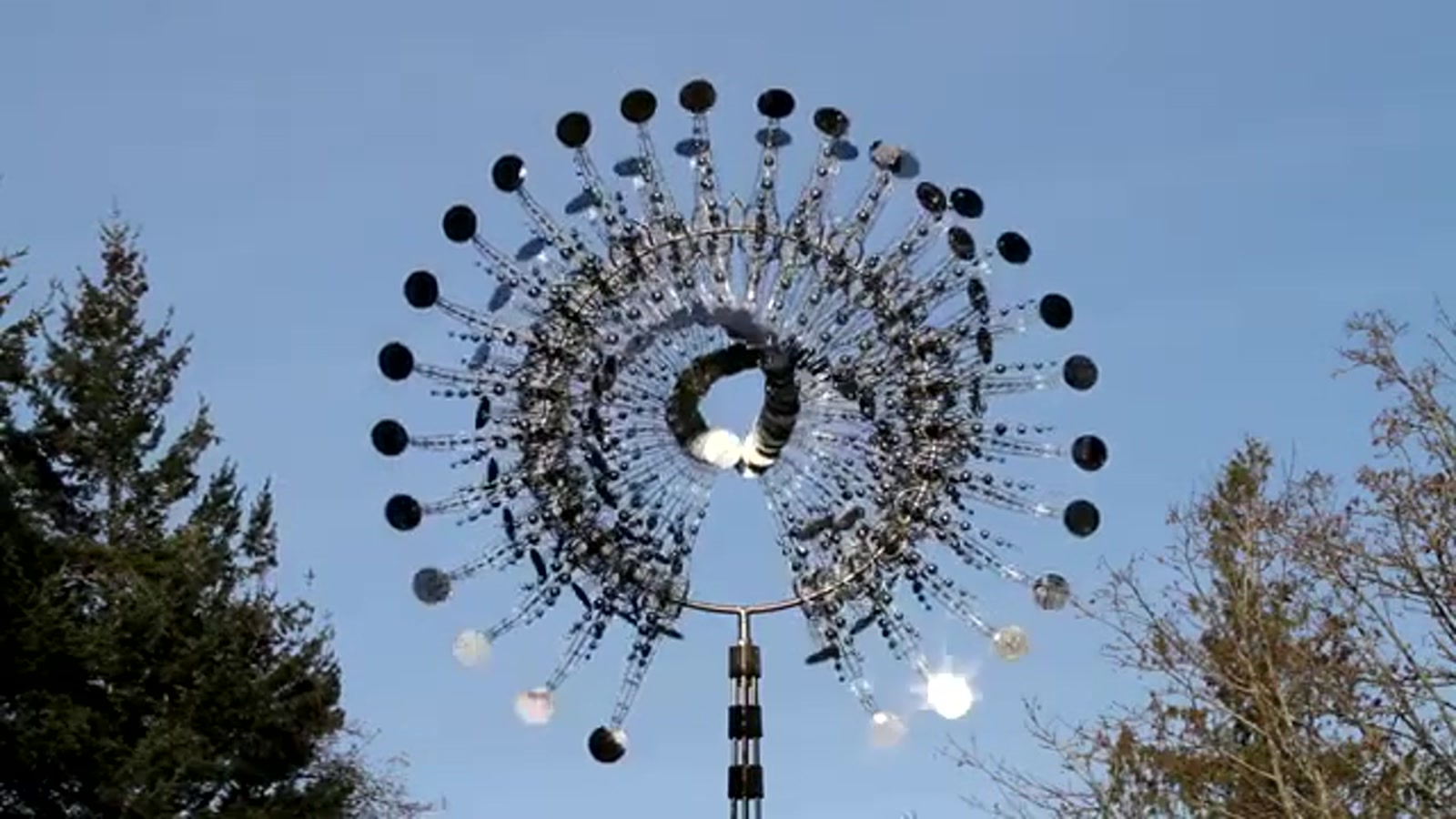
Follow one curved piece for a moment, then let your eye drift back to the whole. In Anthony Howe’s In Cloud Light, a repeating structure becomes a changing pattern as the wind moves through it.
A pattern with no single pose
The artist’s original film shows stainless steel elements moving in relation to one another. Watching the overlap is the point: a small rotation can change several edges at once, so the sculpture keeps redrawing its own outline.
The surface can feel surprisingly fluid, even though the pieces remain solid. That impression comes from their changing relationships and the way the repeated forms catch the light.
Let the source date stay visible
This discovery uses the artist’s archive film, published in 2012. It is In Cloud Light, rather than Howe’s later festival works. We keep the title, artist and source date alongside the film so that an arresting clip remains connected to the work it depicts.
People & sources
Artwork and original film: Anthony Howe, In Cloud Light. Archive source video published in 2012. Original English narration and editorial: HurolHaber.
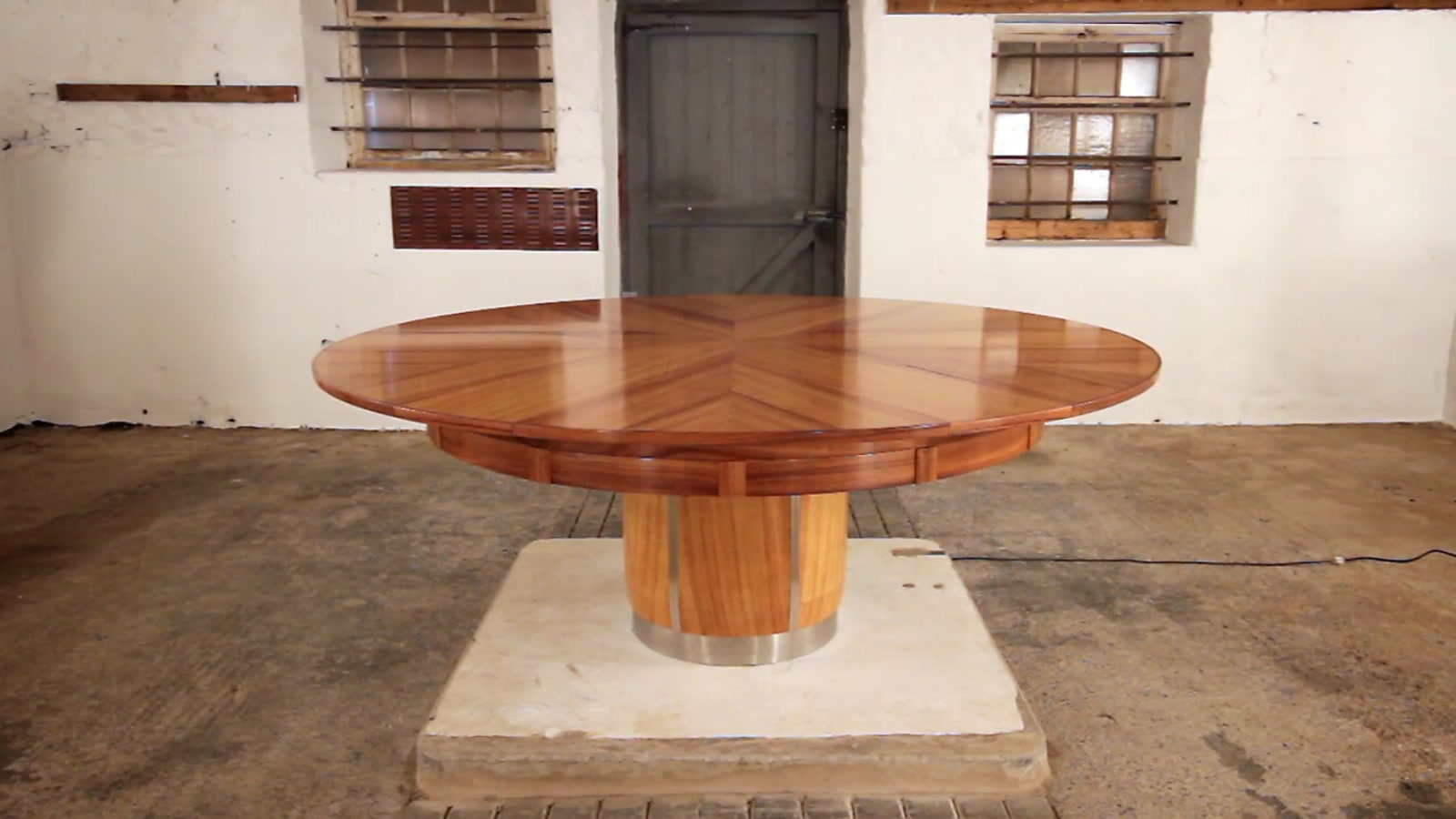
Fletcher’s Capstan Table Opens into a Bigger Circle
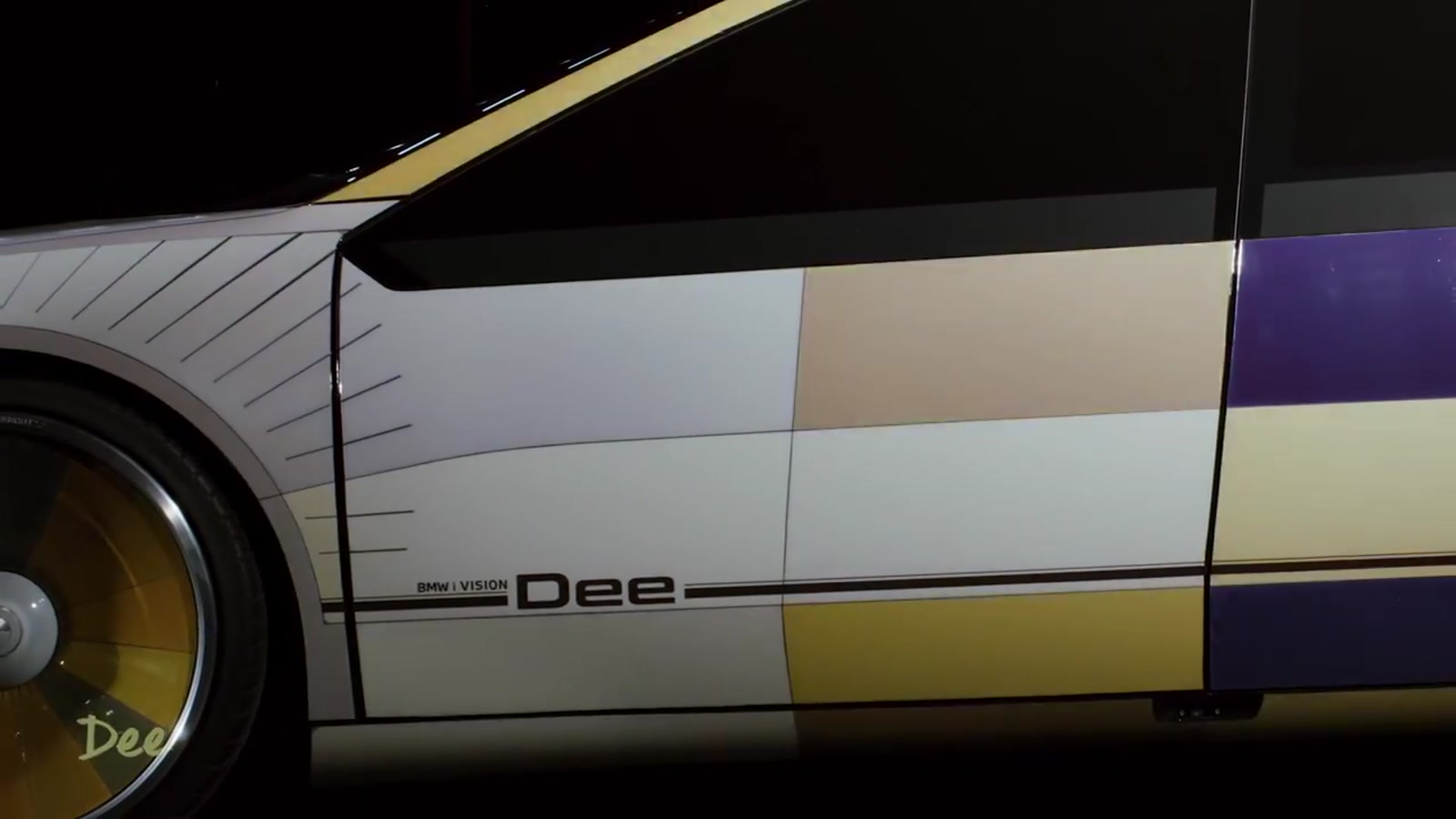
BMW’s i Vision Dee Turns Its Bodywork into a Changing Pattern

Patrick’s Parabox Turns a Box into a World You Can Enter
Little Ark Sends a Wave Through a Boat That Goes Nowhere
Rain Room Makes a Downpour Move Around You
Fletcher’s Capstan Table Opens into a Bigger Circle
BMW’s i Vision Dee Turns Its Bodywork into a Changing Pattern
Patrick’s Parabox Turns a Box into a World You Can Enter
Little Ark Sends a Wave Through a Boat That Goes Nowhere
Rain Room Makes a Downpour Move Around You



-
 Cars5 days ago
Singer’s Carrera Coupe Hides a Pair of Pop-Up Lights in Its Hood
-
 Design5 days ago
A Mechanical Garden Blooms Above the Palazzo Lobby
-

 Art5 days ago
Felix Semper’s Paper Sculptures Stretch Like Accordions
-
 Art5 days ago
John Edmark’s Spinning Sculptures Seem to Bloom
-
 Cars5 days ago
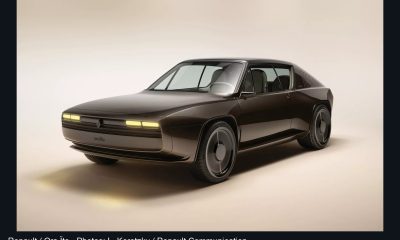
Ora Ïto Gives the Renault 17 a New Shape for an Electric Show Car
-
 Woodworking5 days ago
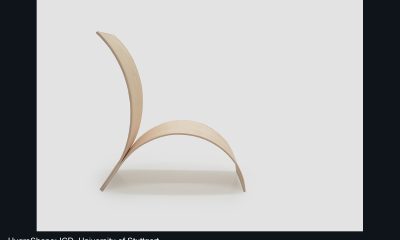
HygroShape Lets Flat-Packed Wood Find Its Furniture Form
-
 Art5 days ago
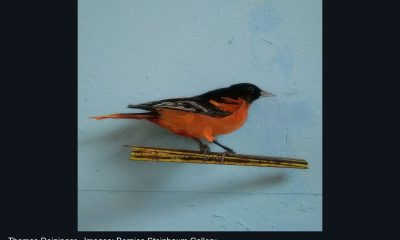
Thomas Deininger’s Birds Hide in a Tangle of Discarded Objects
-
 Games5 days ago
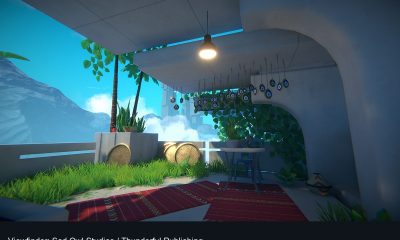
In Viewfinder, a Photograph Can Become the Path Ahead